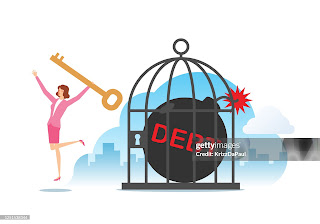
A debt trap isn’t just a financial problem — it’s a psychological one: borrowers who take a new loan to repay an old one enter a cycle where fear and stress erode the very decision-making ability they need to escape it, and restructuring options like moratoriums, consolidation, and lower interest rates work because they restore hope first, which is what makes rational repayment possible again.
A debt trap is often viewed as a financial problem, but in reality it is also a psychological emergency. Behind every person struggling with overwhelming debt is a human being battling fear, shame, uncertainty, and hopelessness. As debts continue to grow, many borrowers stop thinking rationally and begin making desperate decisions that push them even deeper into financial distress.
In today’s digital economy, credit has become easier to obtain than ever before. Personal loans, instant lending apps, credit cards, Buy Now Pay Later (BNPL) schemes, and quick digital approvals have made borrowing almost effortless. While these financial innovations have improved access to credit, they have also increased the risk of chronic indebtedness for many individuals.
What Does the Psychology of a Debt Trap Actually Look Like?
A person trapped in debt rarely wakes up one morning intending to default. The journey usually begins with a genuine financial need—a medical emergency, job loss, business failure, education expenses, or family obligations.
The real danger begins when one loan is repaid with another.
This creates a vicious cycle where the borrower is no longer earning enough to reduce the principal. Instead, most of the income goes toward paying interest and monthly installments. Every new loan provides only temporary relief while increasing long-term financial pressure.
As liabilities continue to rise, the borrower’s mental state changes dramatically, often bringing constant anxiety, sleepless nights, loss of concentration at work, fear of recovery calls, social isolation, and deep emotional exhaustion. At this stage, the problem is no longer merely financial. It has become a public health and social concern.
Why Does Traditional Recovery Sometimes Backfire?
Many recovery systems focus primarily on collecting overdue payments. However, when a borrower reaches the stage of chronic debt distress, aggressive recovery efforts may worsen the psychological burden instead of improving repayment capacity.
A frightened borrower often loses the confidence to plan, work productively, or negotiate solutions. Stress reduces decision-making ability, creating a cycle in which fear leads to poorer financial choices, making repayment even more difficult.
How Can Financial Relief Actually Restore Hope?
One of the most effective ways to stabilize a distressed borrower is to reduce immediate financial pressure. This can be achieved through responsible financial restructuring mechanisms such as temporary moratoriums during genuine hardship, loan rescheduling with affordable installments, extension of repayment tenure, debt consolidation into a single manageable loan, lower interest rates in deserving cases, structured settlement plans, and financial counselling and budgeting assistance.
These measures do not erase responsibility. Instead, they give borrowers breathing space to recover emotionally, regain employment or income stability, and restart disciplined repayment. When panic decreases, rational thinking returns.
Does Mental Recovery Really Come Before Financial Recovery?
The greatest benefit of restructuring is often psychological rather than financial.
The moment a borrower knows that repayment has become manageable, fear begins to fade. Confidence slowly returns. The person can sleep better, focus on work, rebuild family relationships, and start planning for the future.
A calmer mind is more capable of earning, saving, and repaying debt responsibly.
Whose Responsibility Is It to Prevent Debt Traps?
Preventing debt traps requires cooperation from everyone. Financial institutions should strengthen responsible lending and support viable restructuring for borrowers facing genuine hardship. Governments can promote financial literacy, regulate predatory lending practices, and encourage fair debt resolution frameworks. Employers can provide financial wellness programs and counselling for employees experiencing financial stress. Families should encourage open conversations about money instead of allowing debt to become a source of shame. Borrowers must avoid taking new loans solely to repay old ones without a realistic repayment strategy and should seek help early before debt becomes unmanageable.
Every successful debt restructuring is more than an accounting exercise. It can restore dignity, preserve families, and protect well-being.
The objective should not simply be recovering money. It should be helping individuals recover their ability to live productive and meaningful lives.
A compassionate financial system does not weaken credit discipline—it strengthens it by giving honest borrowers a fair opportunity to rebuild.
Because when hope is restored, repayment becomes possible. When panic is reduced, productivity returns. And when society chooses rehabilitation alongside responsibility, everyone benefits.
Leave a Reply