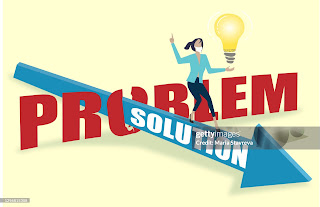
India’s public movements are strongest at raising issues but often stop short of proposing solutions, and youth-led protests over exam reforms and accountability show what’s possible when energy turns constructive: AI-assisted policy analysis, expert panels, and pilot projects can turn a protest into a genuine democratic problem-solving lab.
India is the world’s largest democracy, home to more than 1.4 billion people, extraordinary cultural diversity, and one of the youngest populations on Earth. Such a vast nation naturally faces challenges in education, employment, healthcare, agriculture, infrastructure, governance, and environmental protection. In a democracy, it is both natural and healthy for citizens to raise these issues through peaceful public movements.
Recent youth-led movements, including protests over examination reforms and youth concerns, have demonstrated that organized public participation can bring national attention to important issues and encourage governments to respond. Reports indicate that such movements have focused on alleged examination irregularities, accountability, and reforms in the education system, prompting discussions and policy responses.
Why Does India Need a More Solution-Oriented Democracy?
Every protest begins with a problem, but lasting progress comes from solving that problem. Raising a voice is the first step; presenting workable solutions is the next.
India possesses tremendous intellectual strength. Its engineers, scientists, entrepreneurs, students, researchers, civil servants, and innovators have repeatedly demonstrated their ability to solve complex challenges. Every public movement should therefore become a platform not only for criticism but also for innovation.
For example, if students protest examination irregularities, the movement could simultaneously recommend stronger digital security for examinations, transparent recruitment and evaluation systems, independent monitoring mechanisms, AI-based fraud detection, faster grievance redressal systems, and time-bound accountability for officials. Such constructive proposals enable governments, experts, and citizens to work together toward meaningful reform.
How Can Youth Become True Nation Builders?
Nearly every major transformation in India’s history has been driven by young people. Today’s youth are educated, technologically connected, and creative. Their energy should be directed not only toward mobilization but also toward policy thinking, research, and community-led innovation.
Imagine if every nationwide movement created a panel of subject experts, public consultation papers, draft policy recommendations, pilot projects, and citizen innovation competitions. The movement would then become a laboratory for democratic problem-solving rather than only a platform for expressing dissatisfaction.
Can Technology Strengthen Democratic Participation?
Modern technology allows millions of citizens to collaborate on solutions. Online surveys, public consultations, AI-assisted policy analysis, open-data platforms, and digital suggestion portals can help transform public opinion into practical recommendations.
Instead of asking only, “What is wrong?”, citizens can also ask: What is the best solution? How much will it cost? How can it be implemented? Who will monitor it? How can success be measured? These questions make democratic participation more constructive.
What Does Shared Responsibility Actually Look Like?
Governments are responsible for governance, but citizens also share responsibility for nation-building. Constructive criticism, informed debate, peaceful protest, and practical suggestions together strengthen democratic institutions.
Movements become more influential when they remain peaceful and constitutional, base their demands on facts and evidence, welcome dialogue, present practical alternatives, and encourage long-term institutional reforms.
India’s future will not be determined only by the number of protests it witnesses, but by the number of solutions it creates. Public movements should continue to hold institutions accountable, while also becoming platforms for innovation, policy ideas, and constructive nation-building.
If every movement evolves from “raising issues” to “creating solutions,” India’s immense talent and youthful energy can become a powerful force for democratic progress. A democracy is strongest not only when its citizens speak boldly, but also when they help design the path forward.
Leave a Reply