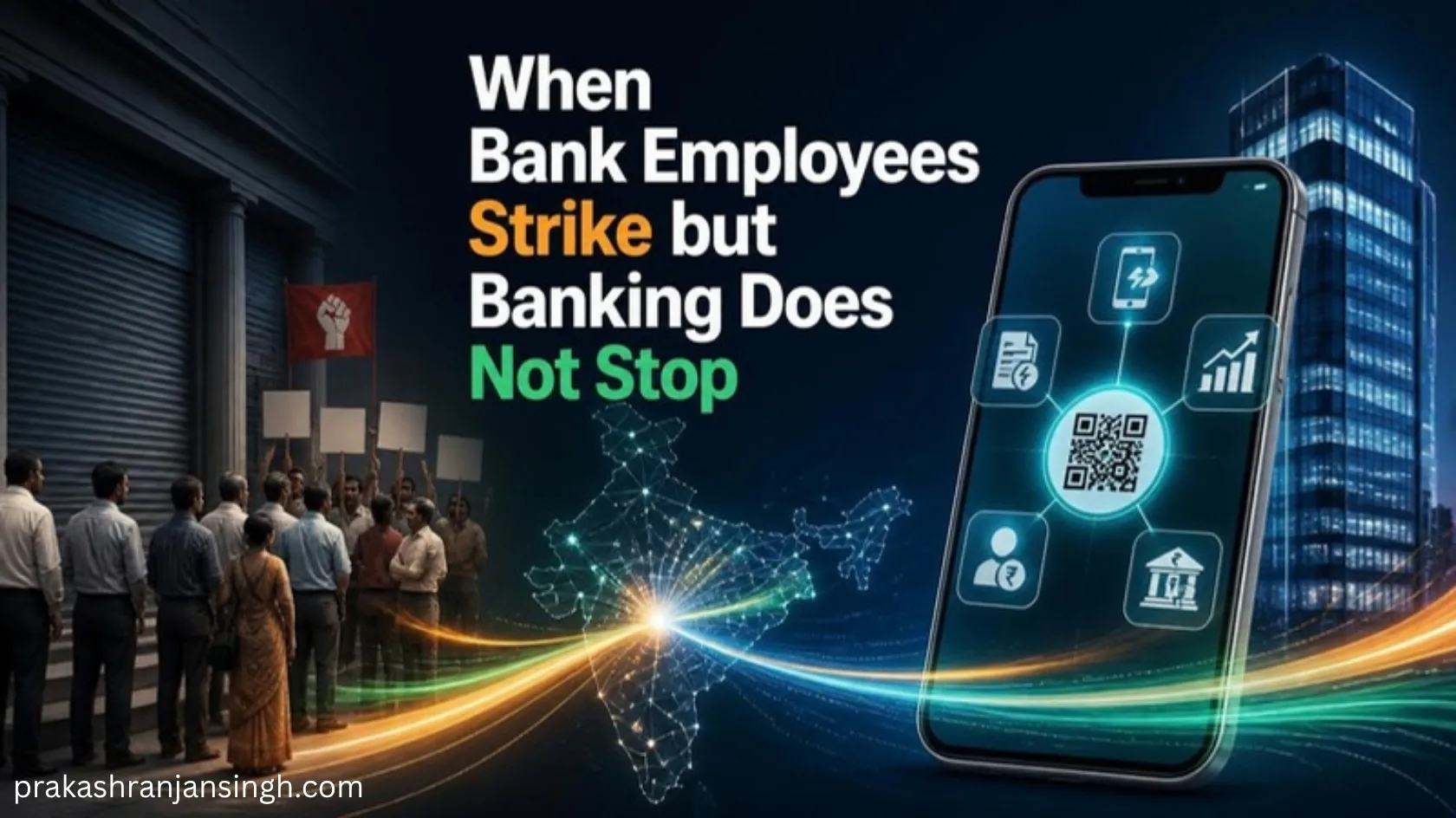


The banking system survives on public trust. But aggressive lending, easy digital credit and ever-increasing pressure for growth are forcing us to ask an uncomfortable question: Is the banking system still focused primarily on productive credit, or has lending itself become a race for numbers? A bank is fundamentally a financial intermediary. People deposit their hard-earned money with the expectation that it will remain safe and available when required. The bank, in turn, uses a substantial portion of these funds to provide loans to individuals, businesses and institutions that need capital. This simple mechanism is one of the foundations of a modern economy. Depositors provide the fuel, banks provide the mechanism, and productive borrowers are expected to create economic value. But the character of banking is changing rapidly. The race to become a "star performer" Today, banks operate under enormous pressure to grow deposits, loans, credit-card portfolios, digital lending n...
“Had I invested then…” — perhaps one of the most expensive sentences in human psychology. How often have we looked at a stock that multiplied 10 or 20 times and said, “I knew about this company years ago. If only I had invested then!” We see a piece of land that was once available at a fraction of today's price and think, “If only I had purchased it at that time!” We see a successful business and remember that we had once thought about starting something similar. We see someone who became wealthy through technology, real estate, investments or entrepreneurship and tell ourselves, “I could have done that too.” But there is a fundamental mistake in this thinking. The opportunity that has gone is not necessarily your biggest loss. The bigger loss is failing to recognize the opportunities that are still in front of you. Our Brain Is Addicted to Missed Opportunities Human psychology has a strange habit. We give enormous importance to opportunities that have already passed because their ...