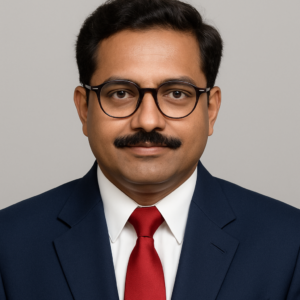

Author: Prakash Ranjan Singh

  • The Mis-Selling of Dreams: How Aggressive Investment Selling Is Weakening Financial Security

    The Mis-Selling of Dreams: How Aggressive Investment Selling Is Weakening Financial Security

    The Mis-Selling of Dreams: How Aggressive Investment Selling Is Weakening Financial Security

    Financial advice in India is increasingly replaced by financial selling: commission-driven sales targets push banks and advisors to nudge loan borrowers, retirees, and first-time investors into unsuitable market-linked products, and protecting household savings from this pattern needs stronger suitability rules, fee-based advice, and real financial literacy — not less investing.

    Investment is one of the most important financial decisions in a person’s life. Every rupee invested represents years of hard work, sacrifice, and hope for a secure future. Unlike daily spending decisions, investment choices shape a family’s long-term financial stability, children’s education, healthcare, retirement, and even the ability to withstand unexpected crises. Such decisions deserve careful research, independent thinking, and well-informed planning. Unfortunately, the modern financial ecosystem often encourages exactly the opposite.

    Why Does Financial “Advice” So Often Become Financial Selling?

    Across the financial sector, a large number of institutions—including banks, insurance companies, mutual fund distributors, brokers, wealth management firms, and fintech platforms—earn substantial commissions by selling third-party financial products. While commission-based distribution is a legitimate business model, problems arise when sales targets become more important than customer welfare. In many organizations, profitability is increasingly linked to the volume of products sold rather than the suitability of those products for individual customers.

    As a result, financial advice is frequently replaced by financial selling.

    Many institutions proudly celebrate their “star performers”—sales professionals who consistently exceed their targets. Their success is measured by business generated rather than by the long-term financial well-being of the customers they serve. These sales experts are often trained not only to explain products but also to influence customer psychology. They know how to create urgency, build fear of missing out (FOMO), highlight selective success stories, and present optimistic projections that encourage customers to invest immediately.

    The distinction between advice and persuasion gradually disappears.

    Who Gets Targeted Most — and Why It’s So Risky

    Perhaps the most concerning consequence of this system is seen when vulnerable customers are targeted. It is not uncommon for individuals approaching a bank to obtain a loan for an urgent family need, business requirement, or medical emergency to be persuaded into investing a portion of the borrowed money into an investment product. Borrowing at one interest rate while investing in a market-linked product introduces additional financial risk that many customers may neither understand nor be prepared to bear.

    Similarly, retired employees often receive large lump-sum retirement benefits after decades of service. At such an emotionally sensitive stage of life, they require capital preservation, liquidity, and dependable income. Instead, some are encouraged to invest heavily in complex market-linked products promising superior long-term returns. If markets decline or liquidity is restricted when funds are urgently needed, the consequences can be significant. Retirement savings represent financial security earned over an entire career and should never become the subject of aggressive selling.

    The rapid growth of market-linked products has also changed the risk profile of household savings. Mutual funds, structured products, insurance-linked investments, alternative investment products, and other market-based instruments have become increasingly popular. While these products can be appropriate for many investors, they are not suitable for everyone. Every investment carries risk, yet many retail investors focus only on projected returns while underestimating volatility, lock-in periods, charges, taxation, and market uncertainty.

    Advertisements frequently showcase historical returns and optimistic scenarios while the associated risks receive comparatively less attention. Although regulatory disclosures are mandatory, many ordinary investors neither read nor fully understand them before investing.

    What About IPO Hype and Social Media?

    The same psychology is visible during Initial Public Offerings (IPOs). Every IPO is accompanied by attractive presentations, extensive media coverage, expert discussions, influencer videos, and aggressive marketing campaigns. Investors are often presented with exciting narratives of future growth, technological innovation, and wealth creation. Social media further amplifies the excitement, encouraging people to subscribe simply because “everyone else is investing.”

    However, not every IPO delivers long-term value. Many newly listed companies experience significant price corrections after listing. Investors who participate without understanding the company’s financial strength, valuation, competitive position, governance standards, or business model may face disappointing outcomes. Blind optimism frequently replaces careful due diligence.

    Social media has further complicated the investment landscape. Thousands of influencers, self-proclaimed financial experts, and content creators continuously recommend stocks, cryptocurrencies, options trading, derivatives, and speculative investments. While some provide valuable educational content, others generate unrealistic expectations of quick wealth. Short videos displaying luxury lifestyles, expensive cars, foreign vacations, and claims of extraordinary returns create psychological pressure, particularly among young investors.

    This environment nurtures impatience rather than disciplined investing.

    Financial literacy in many parts of society remains inadequate. Large sections of the population are first-generation investors with limited understanding of diversification, asset allocation, inflation, risk-adjusted returns, taxation, liquidity, and long-term planning. Without sufficient financial education, many investors become easy targets for persuasive marketing.

    What Does This Cost the Country, Not Just Individuals?

    The consequences extend far beyond individual financial losses.

    When millions of households make unsuitable investment decisions, the economic impact becomes widespread. Families lose emergency savings. Retirees face financial insecurity. Borrowers struggle with repayment because borrowed funds have been diverted into risky investments. Consumer confidence declines after losses.

    Over time, wealth increasingly becomes concentrated among financial institutions, intermediaries, and sophisticated market participants who possess superior information and expertise. Ordinary investors, meanwhile, bear the opportunity cost of misplaced investments and unrealistic expectations. The result is not merely individual disappointment but growing financial inequality.

    A nation becomes economically strong when its citizens make informed financial decisions and accumulate stable household wealth. If household savings are repeatedly eroded through unsuitable investments, the long-term resilience of the economy may weaken. Financial inclusion should not mean simply expanding product sales; it should mean expanding financial understanding.

    What Would Actually Fix This?

    The solution does not lie in discouraging investment or capital markets. Healthy financial markets are essential for economic development. The challenge is ensuring that growth is built on transparency, suitability, and trust rather than aggressive sales practices.

    Regulators can strengthen suitability standards, simplify product disclosures, and enforce accountability for mis-selling. Financial institutions should reward employees for long-term customer satisfaction instead of purely sales volume. Schools and colleges should introduce practical financial literacy as a core life skill. Independent fee-based financial advice should become more accessible, reducing conflicts of interest created by commission-driven selling. Above all, investors themselves must resist emotional decisions, avoid chasing extraordinary returns, and understand that every investment should align with their financial goals, risk tolerance, and time horizon.

    The dream of financial prosperity should never become a marketing slogan. It should be built on knowledge, patience, and informed decision-making.

    A country’s true wealth does not lie in record-breaking product sales or oversubscribed IPOs. It lies in financially secure families capable of building sustainable prosperity over generations. Protecting the hard-earned savings of ordinary citizens is therefore not merely a consumer protection issue—it is an essential pillar of national economic strength.

    Related Reading

  • Investment Psychology: Why Young Investors Must Choose Wisdom Over FOMO

    Investment Psychology: Why Young Investors Must Choose Wisdom Over FOMO

    Investment Psychology: Why Young Investors Must Choose Wisdom Over FOMO

    Young investors are increasingly treating the stock market as a shortcut to instant riches instead of a long-term wealth-building tool: FOMO-driven social media hype, aggressive financial marketing, and unqualified influencer advice are pushing retail investors into speculative bets against professional players with far deeper research and resources, and the real fix is financial education, not avoiding investing altogether.

    The investment culture among young people has undergone a dramatic transformation over the past decade. With smartphones, online trading platforms, social media influencers, and financial content available around the clock, investing has become easier than ever before. While this has democratized access to financial markets, it has also created a dangerous illusion—that wealth can be created quickly with little knowledge, patience, or discipline.

    Why Is FOMO Driving So Many Bad Investment Decisions?

    One of the biggest drivers of this phenomenon is the psychology of Fear of Missing Out (FOMO). Every day, social media is flooded with success stories of people claiming to have multiplied their wealth overnight through stocks, cryptocurrencies, derivatives, or other investment products. What is rarely shown are the stories of those who lost their savings, accumulated debt, or suffered severe emotional stress after making impulsive investment decisions.

    Young investors, eager to achieve financial independence at an early age, often become victims of unrealistic expectations. Instead of viewing investing as a long-term process of wealth creation, many begin treating it as a shortcut to instant riches. This mindset encourages excessive risk-taking, frequent trading, and emotional decision-making rather than careful financial planning.

    What Role Do the Financial Industry and Influencers Play?

    The financial services industry also plays a role in shaping this investment behaviour. Banks, brokerage firms, mutual fund distributors, fintech companies, and various financial platforms compete aggressively to acquire new customers. While many institutions operate responsibly and within regulatory frameworks, strong sales targets and persuasive marketing campaigns can sometimes overshadow the importance of educating investors about risks. Attractive advertisements often highlight potential returns more prominently than the possibility of losses.

    The rise of self-proclaimed financial influencers has further complicated the situation. Many provide valuable educational content, but others offer oversimplified or speculative advice without fully explaining the risks involved. Young investors, influenced by attractive lifestyles and claims of extraordinary profits, may mistake popularity for expertise. Following investment tips without understanding the underlying business, valuation, or risk profile can prove financially devastating.

    Are Retail Investors Really Playing on a Level Field?

    Another important reality is that financial markets are highly competitive ecosystems. Large institutional investors, hedge funds, foreign institutional investors, and professional asset managers operate with access to extensive research, sophisticated analytical tools, experienced professionals, and advanced technology. Retail investors should not assume they are competing on equal terms. Professional participants often make decisions based on deep research and systematic risk management, while many individual investors rely on rumours, emotions, or trending social media posts.

    The result is often painful. Many young people invest money meant for education, emergencies, or family responsibilities into highly speculative assets. When markets correct, panic selling replaces confidence, and years of hard-earned savings can disappear within weeks or months. Financial losses frequently lead to anxiety, strained family relationships, and a loss of confidence in investing altogether.

    Beyond individual hardship, this trend has wider social consequences. If a significant portion of household savings is repeatedly lost in speculative activities rather than being invested prudently or used productively, wealth becomes increasingly concentrated in the hands of those with superior knowledge, capital, and technology. This concentration can widen economic inequality, reduce social mobility, and create dissatisfaction among young citizens. A nation cannot achieve inclusive and sustainable growth if financial opportunities consistently benefit only the most informed and resourceful participants.

    So What Should Young Investors Actually Do?

    The solution is not to discourage investing. On the contrary, investing remains one of the most effective ways to build long-term financial security and participate in economic growth. However, investment must always be guided by knowledge, discipline, and realistic expectations.

    Every young investor should first build an emergency fund, obtain adequate insurance, understand basic financial concepts, and invest only after clearly defining financial goals. Diversification, patience, and regular investing are far more reliable wealth-building strategies than chasing the latest market trend. Equally important is the willingness to say “I don’t understand this investment, so I won’t invest in it.”

    Educational institutions should introduce financial literacy as a compulsory life skill. Schools and colleges should teach budgeting, savings, inflation, risk management, taxation, and the principles of long-term investing. Regulators, financial institutions, and media organizations also share responsibility for ensuring that investor education receives as much attention as product promotion.

    Young India possesses tremendous energy, ambition, and potential. These qualities should be channelled towards creating sustainable wealth rather than chasing speculative gains. Financial freedom is not built through excitement or shortcuts—it is built through knowledge, patience, discipline, and informed decision-making.

    The greatest investment any young person can make is not in the hottest stock or the latest market trend. It is an investment in financial education. Knowledge compounds faster than speculation, and unlike market prices, it never loses its value.

    Related Reading

  • Nationalism: The Strength That Makes a Nation Great

    Nationalism: The Strength That Makes a Nation Great

    Nationalism: The Strength That Makes a Nation Great

    Recent Middle East military tensions confirm an old truth: a nation’s real strength isn’t just weapons, economy, or technology — it’s the unity, resilience, and patriotism of its people, and India’s greatest asset in an increasingly competitive world will be citizens who put the nation first over caste, religion, or regional identity.

    Recent military tensions in the Middle East have once again reminded the world that the true strength of a nation does not lie only in its weapons, economy, or technology. Its greatest strength lies in the unity, resilience, and patriotism of its people. Whenever citizens stand together in difficult times, they become the strongest pillar of national security and sovereignty.

    The recent conflict involving Iran, Israel, and the United States has demonstrated that military power alone cannot determine the outcome of a geopolitical confrontation. Equally important are the determination of a nation’s people, their willingness to endure hardships, and their emotional attachment to their country’s identity and independence. Whatever opinions one may hold about the governments involved, it is evident that national unity plays a significant role in shaping a country’s ability to withstand external pressure.

    History repeatedly teaches us that nations become great when their citizens place the country’s interests above personal differences. Countries that have risen from war, economic crises, or natural disasters have done so because their people remained united and committed to rebuilding their nation. Patriotism has always been the invisible force behind visible achievements.

    Why Does India Have Even More at Stake Here?

    India has an even greater reason to embrace this spirit. Our civilization is one of the oldest in the world, built upon thousands of years of knowledge, spirituality, science, and cultural diversity. Yet our greatest strength has never been our diversity alone—it has been our ability to remain united despite our differences.

    Nationalism does not mean hatred towards any other country. Nor does it mean blind support for every decision of those in power. True nationalism means loving one’s country, respecting its Constitution, protecting its sovereignty, fulfilling one’s duties honestly, and working for the welfare of fellow citizens. It is a positive force that inspires responsibility rather than division.

    What Does Everyday Patriotism Actually Look Like?

    Every Indian can contribute to nation-building in simple yet meaningful ways. Performing one’s professional duties honestly, paying taxes faithfully, respecting the armed forces, protecting public property, preserving the environment, promoting social harmony, helping the poor, educating children, and voting responsibly are all acts of patriotism. A nation progresses when millions of ordinary citizens perform these extraordinary duties every day.

    The youth of India have a particularly important role. Instead of becoming divided by caste, religion, language, or regional identities, they should unite under the identity of being Indian first. They should acquire knowledge, develop skills, innovate, create employment, and strengthen India’s position in science, technology, manufacturing, agriculture, healthcare, and national defence. The future of India depends more on the character of its youth than on its natural resources.

    India’s freedom was not achieved overnight. It was earned through the sacrifices of countless freedom fighters, soldiers, social reformers, and ordinary citizens who placed the nation above themselves. Their legacy reminds us that every generation has a responsibility to strengthen the nation for the next.

    What Will It Take to Compete Globally in This Century?

    The twenty-first century is becoming an era of intense global competition. Economic power, technological leadership, cyber security, artificial intelligence, energy security, and social stability will determine which nations lead the world. India can achieve these goals only if its citizens remain united, disciplined, and committed to the national interest.

    Nationalism is not merely an emotion expressed during times of war. It is a lifelong commitment demonstrated through honesty, hard work, discipline, compassion, and service to society. A strong nation is built not only by brave soldiers guarding its borders but also by honest teachers shaping young minds, dedicated farmers feeding the country, skilled workers building infrastructure, responsible entrepreneurs creating jobs, ethical public servants delivering justice, and conscientious citizens fulfilling their civic responsibilities.

    When the spirit of nationalism lives in the hearts of the people, no challenge is too great, no obstacle is insurmountable, and no dream is beyond reach. A united nation can overcome adversity, protect its sovereignty, and build lasting prosperity.

    Let us therefore pledge to strengthen India’s unity, uphold its democratic values, respect every fellow citizen, and dedicate ourselves to the progress of our motherland. A nation becomes truly great not only because of its military or economic strength, but because its people stand together with a shared purpose, unwavering commitment, and deep love for their country.

    Jai Hind.

    Related Reading

  • The Invisible Burden of Unfulfilled Social Responsibilities: Why Strong Families Build Strong Nations

    The Invisible Burden of Unfulfilled Social Responsibilities: Why Strong Families Build Strong Nations

    The Invisible Burden of Unfulfilled Social Responsibilities: Why Strong Families Build Strong Nations

    Modern success — salary, promotions, status — isn’t translating into fulfilment because many people are quietly neglecting family and social responsibilities while chasing careers, and reconnecting with parents, elders, and communities isn’t old-fashioned sentiment but the actual foundation of emotional resilience and, ultimately, a stronger nation.

    The world is changing at an unprecedented pace. Artificial intelligence, automation, globalization, and intense competition have transformed the way we live and work. Success today is often measured by salary, promotions, professional achievements, and social status. While these accomplishments are important, many people are quietly paying a heavy emotional price for this modern lifestyle.

    Despite living in an age of material abundance and technological advancement, stress, loneliness, anxiety, and dissatisfaction are becoming increasingly common. This raises an important question: Why are so many people feeling emotionally exhausted despite having more opportunities than ever before?

    One possible answer lies in an invisible burden that many of us carry—the burden of unfulfilled social and family responsibilities.

    Every human being is born into a network of relationships. We have responsibilities towards our parents, grandparents, spouse, children, siblings, neighbours, relatives, and society. These responsibilities are not merely traditions handed down through generations; they nurture emotional security, mutual trust, and social harmony. When we fulfill them sincerely, they give us a sense of purpose and inner satisfaction. When we neglect them for long periods, they can create feelings of guilt, emotional distance, and dissatisfaction.

    The Hidden Cost of Modern Life

    Today’s generation is under immense pressure. Long working hours, demanding corporate cultures, job insecurity, continuous learning requirements, financial commitments, and digital distractions consume most of their time and energy. Many young professionals leave their hometowns to build careers in distant cities, often living far from their parents and extended families.

    The result is that many people struggle to balance career aspirations with family and social obligations. They may send money home but have little time to talk to their parents. They may love their family deeply but rarely share meaningful moments with them. Festivals become holidays rather than occasions for togetherness. Neighbours become strangers, and community bonds weaken.

    Over time, these small gaps can grow into emotional distances that affect both individuals and families.

    Why Relationships Matter

    Human beings are not machines designed only for productivity. We are emotional beings who thrive on love, belonging, respect, and connection. A caring conversation with parents, a visit to grandparents, helping a neighbour in need, or spending quality time with family can provide emotional strength that no financial achievement can replace.

    When relationships become weak, many people experience an unexplained feeling of emptiness. They may continue to perform their professional duties but lose the enthusiasm, optimism, and peace of mind that come from strong emotional foundations.

    Success without meaningful relationships often feels incomplete.

    The Wisdom of Our Elders

    Every generation benefits from the experience of the one before it. Our parents and grandparents have faced hardships, economic struggles, family responsibilities, and social challenges. Their experiences may not always provide ready-made solutions for today’s world, but they often offer valuable lessons in resilience, patience, sacrifice, and integrity.

    The joint family system was more than a living arrangement. It was a support system where wisdom, traditions, values, and emotional strength were passed naturally from one generation to another. Children grew up learning respect, compassion, discipline, and responsibility through everyday life.

    As joint families have become less common, many young people have gained greater independence but may also have fewer opportunities to learn directly from older generations.

    Modern lifestyles have many advantages, but preserving intergenerational relationships can help retain the emotional and cultural strengths that families have long provided.

    Family Values Are Not Outdated

    Some people believe that traditional family values belong to the past. In reality, values such as respect for parents, gratitude, honesty, compassion, responsibility, and service remain relevant in every era.

    Technology changes. Fashion changes. Professions change. But human emotions remain the same.

    Parents still sacrifice for their children. Children still seek love and guidance. Grandparents still wish to share their blessings and experience. Neighbours still appreciate kindness during difficult times.

    These values are timeless because they reflect fundamental human needs.

    The Emotional Power of Caring for Parents

    Every parent dreams of seeing their children happy and successful. As parents grow older, they often need less material support than emotional companionship, respect, and reassurance.

    A satisfied and respected parent creates an atmosphere of blessings, confidence, and emotional stability within the family. Whether one views blessings through a spiritual, cultural, or psychological lens, caring relationships can strengthen confidence, reduce stress, and foster resilience across generations.

    Families that care for their elders also teach children by example. Young minds observe how parents treat grandparents and often carry those lessons into their own adulthood.

    Thus, every act of respect strengthens the moral foundation of the next generation.

    Social Responsibility Begins at Home

    Many people think social responsibility means donating money or participating in social campaigns. These are valuable acts, but the first responsibility begins within our own homes: respecting parents, supporting our spouse, guiding our children, helping neighbours, standing by relatives during difficult times, and protecting our cultural heritage.

    These everyday actions quietly strengthen society. A nation is built from families. Families are built on relationships. Relationships are built on responsibility. When this chain becomes weak, society also becomes weaker.

    Reconnecting With Our Roots

    Modernity and tradition should not be seen as opposites. We can embrace innovation while preserving the values that have sustained families and communities for generations.

    Our customs and rituals are not merely ceremonies. Many serve as opportunities for families to gather, strengthen relationships, express gratitude, and maintain a shared sense of identity. While practices naturally evolve over time, staying connected to our cultural heritage can help many people feel rooted and supported.

    A tree can grow taller only when its roots remain strong. Likewise, individuals and nations flourish when they remain connected to their values while adapting to change.

    Building a Strong Nation Through Strong Families

    A nation’s progress is not measured only by GDP, technology, or infrastructure. True development also depends on the emotional well-being, character, and social responsibility of its citizens.

    Employees who are emotionally secure often work with greater focus. Students supported by strong families frequently develop greater confidence. Communities built on trust become more resilient. Children raised with values become responsible citizens.

    When millions of families become stronger, the nation becomes stronger. Economic development and family values should complement each other rather than compete.

    A Call to Every Generation

    The younger generation should pursue excellence in education and careers with determination. At the same time, they should strive to remain connected to their parents, grandparents, and communities.

    Older generations, in turn, can encourage younger family members with understanding, adaptability, and guidance rather than judgment. Both generations have much to learn from one another.

    The future belongs not to those who abandon their roots, but to those who combine the wisdom of the past with the opportunities of the future.

    Conclusion

    Our greatest achievements will never be measured only by the wealth we accumulate or the positions we hold. They will also be measured by the relationships we nurture, the responsibilities we honor, and the values we pass on.

    A family where parents are respected creates children who understand gratitude. A society where neighbours care for one another creates trust. A nation where family values and social responsibility remain strong creates citizens who are not only successful but also compassionate, ethical, and resilient.

    Let us build careers without abandoning our families. Let us embrace modernity without forgetting our traditions. Let us achieve success without losing our humanity.

    For when our parents smile with contentment, our elders feel respected, our families remain united, and our communities stand together, we create something greater than personal success—we build the foundation of a strong, harmonious, and prosperous nation.

    Related Reading

  • AI-Led Workforce Reduction: Are Corporates Trading Tomorrow’s Growth for Today’s Profits?

    AI-Led Workforce Reduction: Are Corporates Trading Tomorrow’s Growth for Today’s Profits?

    AI-Led Workforce Reduction: Are Corporates Trading Tomorrow's Growth for Today's Profits?

    Corporate India’s AI-driven layoffs may be trading tomorrow’s growth for today’s profit: cutting headcount to cut costs also cuts household spending power, and since consumer demand drives the very growth companies are chasing, unchecked workforce reduction risks a slow economic cycle where lower employment feeds lower demand feeds slower business growth.

    The rapid adoption of Artificial Intelligence (AI), automation, and digital technologies has become the defining trend of the modern corporate world. Across industries, organizations are announcing workforce reductions in the name of improving efficiency, reducing costs, and preparing for an AI-driven future. While technological advancement is inevitable and often beneficial, an uncomfortable question deserves serious attention: Can an economy continue to prosper if technology consistently replaces people faster than it creates new opportunities?

    For decades, technology has transformed industries and improved productivity. History also shows that many technological revolutions eventually created new kinds of employment. However, the AI revolution is different in one important respect. Unlike earlier waves of automation that primarily replaced manual labour, AI has the potential to automate a significant share of knowledge-based and white-collar work as well. Banking, customer service, software development, finance, legal support, healthcare administration, media, and education are all witnessing unprecedented disruption.

    Why Are Companies Cutting Jobs So Aggressively?

    Many corporations argue that reducing headcount is necessary to remain globally competitive. Investors often reward companies that report lower operating costs and higher productivity. Yet, this focus on short-term financial performance may overlook the long-term consequences for the economy itself.

    A large-scale reduction in employment directly affects household income. When thousands of experienced professionals lose their jobs or face stagnant wages, their purchasing power inevitably declines. Families postpone buying homes, vehicles, consumer goods, and discretionary products. Spending on education, healthcare, travel, and entertainment also slows. Since consumer spending is one of the strongest drivers of economic growth, weaker demand eventually affects the very businesses that initially benefited from cost-cutting.

    How Does This Become a Vicious Economic Cycle?

    This creates a difficult economic cycle. Lower employment reduces consumption. Reduced consumption lowers demand. Lower demand slows production and investment. Slower business growth ultimately affects corporate revenues and profitability. In attempting to maximize efficiency today, companies may inadvertently weaken the customer base that sustains their business tomorrow.

    The situation is equally challenging for employees who retain their jobs. Many professionals report increasing workloads, greater performance expectations, and continuous pressure to learn new technologies simply to remain employable. Continuous learning is valuable and necessary in a changing world, but when combined with unrealistic targets, constant restructuring, and fear of redundancy, it can contribute to stress, burnout, and declining morale. An organization that relies on a workforce under persistent anxiety may achieve short-term gains but risk losing creativity, loyalty, and institutional knowledge.

    Another significant concern is the return on investment in AI itself. Implementing advanced AI systems requires substantial expenditure on infrastructure, software, cloud computing, cybersecurity, consulting, and employee training. These investments are often justified by expectations of future productivity gains. However, if economic growth slows because consumer demand weakens, companies may find that recovering these investments takes longer than anticipated. The challenge becomes even greater during periods of global economic uncertainty or recession, when customers reduce spending and businesses postpone expansion.

    Is AI Itself the Problem?

    This does not mean AI is harmful or that technological progress should be resisted. AI has enormous potential to improve healthcare, scientific research, agriculture, education, manufacturing, financial services, and public administration. It can eliminate repetitive tasks, improve accuracy, enhance safety, and enable workers to focus on higher-value activities. The issue is not AI itself but how societies choose to implement it.

    The real challenge is ensuring that technological progress remains human-centred. Governments, corporations, educational institutions, and industry associations must work together to prepare the workforce for changing skill requirements. Investment in reskilling, lifelong learning, entrepreneurship, and new industries should accompany automation. Companies that benefit from productivity gains should also invest meaningfully in workforce transition rather than relying solely on layoffs as the primary strategy.

    Corporate leadership must also reconsider how success is measured. Sustainable businesses are built not only on quarterly profits but also on experienced employees, loyal customers, innovation, and social trust. Experienced professionals possess institutional knowledge, mentorship capabilities, and problem-solving skills that cannot always be replicated by algorithms. Replacing them solely because newer employees are less expensive may produce accounting gains while weakening organizational resilience.

    What Does India Specifically Need to Get Right?

    India stands at a crucial stage of its economic journey. With aspirations of becoming a developed nation, the country needs both technological leadership and widespread employment. AI should become a tool that enhances human capability rather than one that excludes large sections of the workforce from economic participation. Growth that benefits only a limited segment of society cannot remain sustainable for long.

    The future should not become a choice between technology and people. The true measure of progress lies in combining innovation with inclusion. AI should increase national productivity while creating new opportunities, strengthening consumer confidence, and improving quality of life. If policymakers and corporate leaders fail to maintain this balance, today’s efficiency gains could become tomorrow’s economic and social challenge.

    The AI revolution should therefore be guided by a simple principle: technology must serve humanity, not replace its economic foundation. Sustainable development is achieved when innovation creates prosperity that is broadly shared, ensuring that economic growth, corporate success, and social stability advance together rather than at each other’s expense.

    Related Reading

  • The Vanishing Value of Employee Loyalty: A Growing Crisis in the Corporate World

    The Vanishing Value of Employee Loyalty: A Growing Crisis in the Corporate World

    The Vanishing Value of Employee Loyalty: A Growing Crisis in the Corporate World

    Employee loyalty is losing its value in corporate India: experienced professionals in their late thirties and forties increasingly face invisible career barriers as companies chase short-term cost-cutting through automation and headcount reduction, and the fix is treating experience as a strategic asset rather than a payroll expense to minimise.

    For decades, loyalty between an employer and an employee was considered the foundation of organizational success. An employee dedicated years of hard work, continuously upgraded skills, and remained committed to the organization with the expectation of long-term career growth and security. In return, organizations rewarded experience, institutional knowledge, and commitment. Today, this relationship is undergoing a dramatic transformation.

    Why Do Experienced Employees Feel Undervalued Today?

    Across many industries, particularly in the corporate sector, employees increasingly feel that loyalty has lost much of its value. Long years of service no longer guarantee career progression, job security, or even fair recognition. Instead, many professionals believe that once they cross their mid-thirties or early forties, they begin to face an invisible barrier in their careers.

    Performance appraisals, which are meant to evaluate employees objectively, are often perceived as tools for cost optimization rather than talent development. Numerous employees complain that despite consistently delivering quality work, they receive average ratings that limit salary growth and promotion opportunities. While not every organization follows such practices, these concerns are common enough to deserve serious attention.

    What’s Really Driving This Shift?

    One significant reason behind this trend is the relentless pressure on companies to reduce costs and maximize short-term profits. Experienced employees naturally command higher salaries because of their expertise and years of service. Replacing them with younger professionals often reduces payroll expenses. On paper, this may appear financially efficient. However, such calculations frequently ignore the hidden costs of losing institutional knowledge, customer relationships, leadership experience, and mentoring capabilities.

    Technology and artificial intelligence have further accelerated this transformation. Automation has undoubtedly improved productivity and created new opportunities. However, it has also encouraged organizations to restructure workforces rapidly, sometimes without investing sufficiently in reskilling experienced employees. Instead of treating technological change as an opportunity for workforce transformation, some employers view it primarily as a means to reduce headcount.

    Another overlooked factor is organizational culture. In certain workplaces, leadership decisions may become influenced by personal preferences, internal politics, or the desire to build entirely new teams. When experienced professionals raise questions, challenge poor decisions, or possess greater expertise than their immediate supervisors, conflicts may arise. In such situations, organizational interests can become secondary to managerial ego. Although this does not happen everywhere, where it does occur, the damage extends far beyond individual careers.

    Who Really Bears the Cost of This Instability?

    The consequences are not limited to employees alone.

    When a professional loses employment or experiences career stagnation during the middle years of life, the entire family bears the burden. Financial commitments are at their peak during this phase. Children require quality education. Parents may need medical care. Home loans, insurance premiums, and other responsibilities continue regardless of employment status. A sudden reduction in income can disrupt years of financial planning and create significant emotional stress.

    The impact extends to the next generation as well. Children growing up in financially unstable households may face interrupted education, reduced opportunities, and psychological insecurity. Thus, unstable employment affects not only one individual but also the long-term development of families and society.

    From a national perspective, the implications are equally serious.

    A country cannot aspire to become an economic superpower while allowing experienced human capital to remain underutilized. Nations invest heavily in educating and training professionals. When experienced workers are prematurely pushed out of productive employment or forced into lower-paying jobs, that investment yields a lower return. The economy loses productivity, innovation slows, and consumer spending declines.

    Moreover, organizations themselves suffer from excessive dependence on constant hiring. Fresh graduates undoubtedly bring energy, adaptability, and new perspectives. However, they cannot immediately replace decades of accumulated experience. Strong organizations are built on a balanced workforce where youthful innovation is complemented by seasoned judgment. Sustainable success comes from combining fresh talent with experienced leadership rather than treating the two as substitutes.

    What Would Actually Fix This?

    The solution does not lie in protecting inefficiency or guaranteeing lifelong employment regardless of performance. Every employee must remain accountable, continuously learn new technologies, and adapt to changing business needs. At the same time, organizations must recognize that experience is a strategic asset rather than merely a salary expense.

    Governments, industry associations, and corporate leaders should work together to encourage fair performance evaluation systems, continuous reskilling programs, age-inclusive recruitment practices, and stronger career transition support. Organizations that retain experienced professionals while embracing technological innovation are more likely to build resilient businesses and healthier workplace cultures.

    Ultimately, the question before modern corporations is simple: Should employees be viewed merely as costs to be minimized, or as long-term investments whose knowledge and commitment contribute to sustainable growth?

    The answer to this question will shape not only the future of corporate employment but also the stability of families, the confidence of the workforce, and the economic strength of the nation. A society where loyalty has no value cannot expect lasting trust. And without trust, neither organizations nor nations can achieve enduring prosperity.

    Related Reading

  • The Great Career Dilemma in the Age of Artificial Intelligence

    The Great Career Dilemma in the Age of Artificial Intelligence

    The Great Career Dilemma in the Age of Artificial Intelligence

    No academic stream — engineering, medicine, commerce, or arts — is safe from AI disruption anymore: the real career advantage now belongs to students who develop continuous learning, adaptability, and human judgment alongside technical skill, not to those who simply picked a popular degree.

    For decades, choosing a career after Class 10 or Class 12 was considered a relatively straightforward decision. Engineering, medicine, commerce, and civil services were regarded as secure paths to success. Today, that certainty has disappeared. Artificial Intelligence (AI) is reshaping industries at an unprecedented pace, forcing students and parents to rethink what constitutes a safe and rewarding career.

    How Is AI Changing Engineering, Medicine, and Commerce?

    A few years ago, Computer Science Engineering was the most sought-after branch in engineering colleges. Admission to this stream was considered a symbol of academic excellence because the software industry promised attractive salaries and abundant employment opportunities. Today, AI-assisted coding tools are automating a significant portion of routine software development. While software engineering is far from obsolete, the demand for programmers who merely write code is gradually declining. The future belongs to engineers who can design intelligent systems, solve complex problems, and continuously learn new technologies.

    The medical profession is also entering a new era. AI can now assist doctors in diagnosing diseases, analysing medical images, and preparing treatment recommendations with remarkable accuracy. This does not reduce the importance of doctors, but it changes their role. Compassion, ethical judgment, patient counselling, and difficult clinical decisions remain uniquely human. The doctor of tomorrow will work alongside AI rather than compete against it.

    Commerce faces similar disruption. Bookkeeping, taxation, auditing, financial analysis, and customer service are increasingly being automated. Accountants, bankers, and financial professionals who rely solely on routine tasks may find their opportunities shrinking. Those who develop strategic thinking, financial planning expertise, regulatory knowledge, and relationship management skills will continue to thrive.

    Are Arts and Humanities Any Safer?

    The Arts and Humanities often appear less threatened because they rely heavily on human interaction, leadership, ethics, culture, governance, psychology, education, and communication. While AI can generate content and analyse data, it cannot easily replace empathy, social understanding, public leadership, or moral reasoning. However, even these fields must embrace AI as a tool rather than ignore it.

    The real lesson is that no academic stream is immune from technological disruption. The distinction between science, commerce, and arts is becoming less important than the ability to learn continuously, adapt to change, and work effectively with AI.

    Where Will the New Opportunities Come From?

    Future employment will increasingly emerge in interdisciplinary fields such as AI ethics, cybersecurity, renewable energy, precision agriculture, biotechnology, robotics, healthcare management, environmental sustainability, elderly care, mental health, education technology, and digital governance. These sectors require technical competence as well as human judgment.

    India’s education system must therefore undergo a fundamental transformation. Career counselling should begin in schools. Students should be encouraged to develop practical skills, creativity, entrepreneurship, communication, financial literacy, and emotional intelligence alongside academic knowledge. Universities should redesign their curricula to prepare graduates for collaboration with AI rather than competition against it.

    The greatest mistake today’s students can make is to choose a career solely because it is currently popular. In the AI era, lifelong learning has become more valuable than any single degree. Success will belong not to those who possess the highest qualifications alone, but to those who remain curious, adaptable, ethical, and capable of solving real human problems.

    The future will not belong exclusively to engineers, doctors, commerce graduates, or humanities students. It will belong to individuals who can combine knowledge with wisdom and technology with humanity. That is the real career path for the twenty-first century.

    Related Reading

  • Faith Demands Transparency: The Need for an Independent Inquiry into the Ayodhya Temple Donation Controversy

    Faith Demands Transparency: The Need for an Independent Inquiry into the Ayodhya Temple Donation Controversy

    Faith Demands Transparency: The Need for an Independent Inquiry into the Ayodhya Temple Donation Controversy

    Allegations of irregularities in Ram Mandir donation management have shaken public trust more than any sum of money could: what’s needed now is a thorough, time-bound, independent inquiry into the collection and accounting process, plus modernised transparent governance for all major religious institutions handling public donations.

    The construction of the Ram Mandir in Ayodhya is one of the most significant cultural and spiritual milestones in modern India. For millions of Hindus across the world, the temple is not merely a place of worship but a symbol of faith, sacrifice, and civilizational identity. Every donation made by devotees represents an offering to Lord Ram, given with complete trust that it will be used honestly and responsibly.

    It is therefore deeply disturbing that reports and allegations of irregularities in the management of temple donations have surfaced in the public domain. Whether these allegations ultimately prove true or false, they have already created confusion and concern among countless devotees. The greatest casualty in such situations is not money—it is public trust.

    What Exactly Is Under Scrutiny?

    The controversy has reportedly brought under scrutiny multiple entities involved in the donation management process, including the temple trust and service providers associated with the collection and processing of donations. If institutions of national reputation, such as banks or technology companies, were entrusted with handling any part of this process, the public naturally expects the highest standards of integrity, transparency, and accountability. However, it would be unfair to conclude that any individual or institution is guilty unless an impartial investigation establishes the facts.

    The issue is larger than determining legal liability. It concerns moral responsibility. Every institution associated with managing donations offered in the name of faith has a duty not only to fulfil contractual obligations but also to uphold the confidence of millions of devotees. Technical compliance with agreements cannot substitute for ethical accountability when public faith is involved.

    Religious donations are unlike ordinary financial transactions. They are acts of devotion. Devotees do not seek financial returns; they seek spiritual satisfaction. Any suspicion that these sacred offerings have been mishandled can leave a lasting scar on the collective consciousness of society.

    What Should Happen Next?

    The need of the hour is neither sensationalism nor political blame. What India requires is a thorough, time-bound, and independent inquiry conducted by competent authorities. Every stage of the donation collection, accounting, reconciliation, auditing, and utilisation process should be examined. If no wrongdoing has occurred, the inquiry will restore confidence. If irregularities are established, those responsible—regardless of their position or influence—must face appropriate legal consequences.

    This episode also highlights the urgent need to modernise the governance of major religious institutions. Every large temple, mosque, church, gurudwara, and other public place of worship receiving substantial donations should maintain transparent digital accounting systems, undergo regular independent audits, and publish annual financial reports accessible to the public. Faith flourishes where transparency exists.

    The Ram Mandir belongs not to any individual or organisation but to the faith of millions of devotees. Protecting that faith requires honesty, accountability, and openness. The nation deserves facts, not speculation; transparency, not secrecy.

    If the allegations are found to be baseless, the institutions concerned should be publicly cleared so that confidence is restored. If they are substantiated, corrective action must be swift and exemplary. In either case, the truth must prevail.

    A civilization as old as India has survived because faith has always been accompanied by a sense of duty. Today, that duty lies with every institution entrusted with managing the sacred offerings of the people. Transparency is not an attack on religion—it is the strongest protection of its sanctity.

    Related Reading

  • When Astrology Becomes a Business: A Threat to India’s Human Capital

    When Astrology Becomes a Business: A Threat to India’s Human Capital

    When Astrology Becomes a Business: A Threat to India's Human Capital

    Astrology isn’t the problem — its commercial exploitation is: rising unemployment and uncertainty are pushing vulnerable young Indians toward self-proclaimed astrologers selling guaranteed remedies for career, marriage, and money problems, and the real fix is ethical standards for commercial astrology plus stronger career counselling and mental health support, not banning belief itself.

    Astrology has been an integral part of Indian civilization for thousands of years. It is based on astronomical observations, mathematical calculations, and the study of planetary positions. For millions of people, it remains a source of faith, cultural identity, and personal guidance. Whether one considers astrology a science, a tradition, or a belief system, it undeniably occupies an important place in Indian society.

    However, the real concern today is not astrology itself but its commercialization and misuse.

    Why Is Commercial Astrology Booming Right Now?

    Modern India is facing a serious social challenge. Rising unemployment, increasing competition, family breakdown, declining emotional support systems, academic pressure, and uncertainty about the future have created widespread frustration, particularly among the youth. Instead of receiving proper career counselling, psychological support, mentorship, and skill development, many vulnerable individuals seek instant solutions to complex problems.

    This growing desperation has created a flourishing market for self-proclaimed astrologers who promise miraculous remedies, guaranteed success, instant wealth, marriage solutions, business growth, examination success, and relief from every imaginable problem. Many operate without deep knowledge of astrology, ethics, or responsibility. Their primary objective often appears to be commercial gain rather than genuine guidance.

    If astrology has any predictive value, it demands precise birth details, accurate mathematical calculations, and careful interpretation by a knowledgeable practitioner. Such expertise cannot be replaced by mass-produced computer-generated reports, social media advertisements, or exaggerated claims of guaranteed success.

    What Is This Doing to India’s Human Capital?

    Unfortunately, many individuals begin to believe that wearing gemstones, performing expensive rituals, purchasing lucky objects, or following magical remedies can substitute for hard work, education, discipline, and perseverance. This mindset is dangerous because it shifts responsibility away from personal effort and practical decision-making.

    The consequences extend far beyond individual financial loss.

    When a young person spends years searching for supernatural shortcuts instead of upgrading skills, preparing for competitive examinations, learning technology, or building entrepreneurship, the nation loses valuable human capital. Productive energy is diverted into false hope rather than meaningful action.

    Families under financial stress sometimes spend enormous amounts of money on rituals, gemstones, and remedies while neglecting investments in education, healthcare, or professional counselling. Emotional vulnerability becomes an opportunity for commercial exploitation.

    This issue also raises ethical questions. Fear should never become a business model. Predicting disasters, exaggerating planetary effects, or convincing people that every failure is caused by destiny can create anxiety and dependence rather than confidence and resilience.

    What Should Change — and Who Should Act?

    India’s future depends on its demographic dividend. Vision 2047 can only become a reality if the country’s youth are encouraged to embrace scientific thinking, innovation, entrepreneurship, vocational training, and continuous learning. Faith and spirituality can certainly provide emotional strength, but they should complement—not replace—personal effort, rational decision-making, and professional guidance.

    The government should consider establishing ethical standards for commercial astrology services, prohibit misleading advertisements promising guaranteed outcomes, and strengthen consumer protection against fraudulent claims. Educational institutions should expand career counselling, mental health support, and financial literacy so that young people are less vulnerable to exploitation during periods of uncertainty.

    Society, too, has a responsibility. Parents must guide their children with patience rather than pressure. Teachers should inspire confidence instead of fear. Religious and spiritual leaders should encourage honesty, ethics, and hard work rather than dependence on expensive rituals.

    Astrology may continue to exist as a matter of personal belief and cultural tradition. But when it becomes a business built on exploiting human fear and insecurity, it ceases to be a source of guidance and becomes an obstacle to national development.

    India cannot achieve its aspiration of becoming a developed nation merely through predictions of a brighter future. It will achieve that future through knowledge, innovation, integrity, disciplined effort, and the productive use of its greatest asset—its people.

    Related Reading

  • India’s Forgotten Goldmine: Why Agriculture Must Become the Engine of Economic Growth

    India’s Forgotten Goldmine: Why Agriculture Must Become the Engine of Economic Growth

    India's Forgotten Goldmine: Why Agriculture Must Become the Engine of Economic Growth

    India’s agriculture sector still feeds over 1.4 billion people but remains chronically undervalued: low productivity, fragmented land, and a growing disconnect between educated youth and farming are holding it back, and unlocking it needs technology-driven farming, better agricultural education, and profitable, modern farming models rather than treating it as mere welfare.

    For decades, India’s economic aspirations have revolved around information technology, manufacturing, infrastructure, and services. These sectors have undoubtedly transformed the country’s global image. Yet, the sector that feeds more than 1.4 billion people and provides livelihoods to millions continues to receive far less attention than it deserves. Agriculture, the backbone of India’s civilization and economy, remains one of its most undervalued national assets.

    Despite being among the world’s largest producers of rice, wheat, milk, fruits, vegetables, and spices, Indian agriculture suffers from low productivity, fragmented landholdings, inadequate mechanization, post-harvest losses, climate uncertainty, and unstable farm incomes. For many young Indians, farming is no longer viewed as a respectable or rewarding profession. This mindset poses a serious challenge to India’s ambition of becoming a developed nation by 2047.

    The country must stop treating agriculture merely as a welfare sector. It should instead be recognized as a strategic economic industry capable of generating employment, exports, innovation, and sustainable growth.

    Why Are Young Indians Turning Away From Farming?

    One of the biggest concerns is the growing disconnect between educated youth and farming. Talented young people migrate to cities in search of white-collar jobs, while villages lose their productive workforce. Agriculture must become a modern, technology-driven profession where knowledge of artificial intelligence, drones, precision farming, biotechnology, and data analytics is as valuable as traditional farming skills.

    Corporate participation can play a constructive role if accompanied by strong safeguards for farmers’ land rights and fair contracts. Companies can bring investment, better supply chains, cold storage, food processing, quality standards, and access to domestic and international markets. Foreign investment in agricultural technology, research, irrigation, and food processing should also be encouraged under transparent regulations that protect national interests and farmer welfare.

    What Would Make Farming an Attractive Career Again?

    India also needs a revolution in agricultural education. Schools and universities should promote agribusiness, food technology, agricultural engineering, and rural entrepreneurship as attractive career choices. Young innovators should receive financial support to develop climate-resilient crops, smart irrigation systems, and digital marketplaces that directly connect farmers with consumers.

    Equally important is creating profitable farming models. Farmers need assurance that modern agriculture can provide stable and dignified incomes. Cooperatives, farmer-producer organizations, integrated farming, organic agriculture where suitable, value-added food processing, and export-oriented production can transform rural prosperity.

    What Investment Does Agriculture Still Need?

    The government must also invest aggressively in irrigation, rural infrastructure, warehouses, logistics, scientific research, crop insurance, and market reforms. Technology should help farmers make better decisions based on weather forecasts, soil health, water availability, and market demand.

    India possesses one of the world’s largest cultivable land resources and diverse climatic conditions. Few countries enjoy such agricultural diversity. With proper planning, scientific innovation, and institutional support, India can not only achieve complete food security but also emerge as one of the world’s leading suppliers of high-quality agricultural products.

    Agriculture is not a symbol of the past; it is the foundation of India’s future. A nation that neglects its farmers weakens its own economic security. But a nation that empowers agriculture builds resilience, creates employment, strengthens rural communities, and enhances global influence.

    The dream of a developed India cannot be achieved by software parks and industrial corridors alone. It must also grow from fertile fields, empowered farmers, modern technology, and a new generation that once again sees agriculture as a profession of innovation, dignity, and prosperity.

    Related Reading