


Understanding Gen Z starts with its environment: Gen Z is the first generation to grow up entirely inside smartphones, social media, and AI, giving it remarkable creativity and adaptability alongside real risks: instant-gratification debt culture, algorithm-driven echo chambers, and viral-attention behaviour, and the path forward is balancing speed with patience and freedom with responsibility, not criticizing the generation itself.
Gen Z strengths and weaknesses in one line: its strengths are creativity, adaptability, entrepreneurship and digital fluency, while its weaknesses are impatience, instant-gratification debt, vulnerability to echo chambers, and anxiety fed by constant comparison. In India the stakes are large. The Ministry of Statistics reports that people aged 15-29 made up about 27.2% of the population in 2021, a share projected to fall to 22.7% by 2036, which is still about 345 million people (MoSPI, Youth in India 2022). That age group overlaps with most of Gen Z.
| Gen Z strength | The matching risk |
|---|---|
| Digital fluency and creativity | Constant pressure to stay visible, leading to comparison and exhaustion |
| Speed and ambition | Impatience and expectations of instant results |
| Comfort with digital finance | Buy Now, Pay Later and easy-loan debt |
| Independence and willingness to question | Rejecting valuable tradition along with outdated customs |
| Active social and political voice | Viral misinformation and emotionally driven campaigns |
Every generation is shaped by the environment in which it grows. The Silent Generation experienced wars, Baby Boomers rebuilt societies, Generation X adapted to globalization, and Millennials witnessed the rise of the internet. Gen Z, however, is the first generation to grow up entirely in the age of smartphones, social media, artificial intelligence, and instant digital connectivity.
This has created a generation with remarkable strengths—but also unprecedented challenges.
Key Takeaways
- Gen Z is the first generation to grow up entirely with smartphones, social media, and AI, giving it remarkable creativity but also unprecedented psychological challenges.
- MIT Sloan research found false news spreads significantly faster online than accurate reporting, feeding algorithm-driven echo chambers that make independent thinking harder.
- The path forward is balance, not criticism: speed matched with patience, freedom with responsibility, technology with wisdom, and innovation with the experience of earlier generations.
Table of Contents
- 1. Gen Z Strengths and Weaknesses: What Does a Digital-First Mindset Look Like?
- 2. How Has Instant Gratification Culture Changed Spending?
- 3. Why Is Speed Sometimes a Gen Z Weakness?
- 4. How Does Gen Z Balance Freedom With Tradition?
- 5. Is Technology a Blessing or a Risk for This Generation?
- 6. What Has Virality Culture Done to Social Behaviour?
- 7. What Psychological Challenges Come With This Lifestyle?
- 8. What Role Does Gen Z Play Politically and Socially?
- 9. What Can Gen Z Learn From Previous Generations?
- 10. How Can Society Help Build a Balanced Future?
1. Gen Z Strengths and Weaknesses: What Does a Digital-First Mindset Look Like?
For many young people today, life is closely connected with the digital world. Daily experiences are often converted into content for social media. Success is increasingly measured through likes, followers, comments, and viral reach.
This has encouraged creativity and entrepreneurship. Many young creators have built successful careers through digital platforms. However, the constant pressure to remain visible can also create anxiety, comparison, and emotional exhaustion.
2. How Has Instant Gratification Culture Changed Spending?
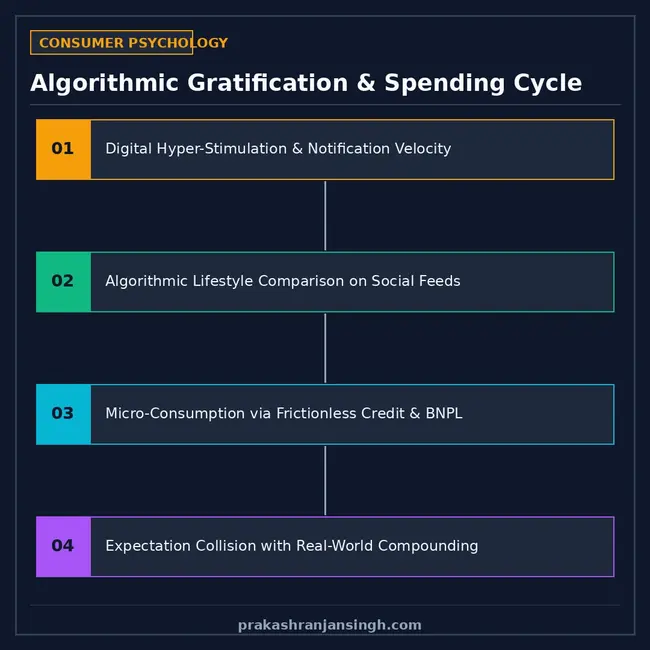
Technology has made almost everything immediate—food delivery, entertainment, shopping, transportation, and even credit.
The “Buy Now, Pay Later” culture and easy digital loans have made spending easier than ever before. While these financial tools can be useful when used responsibly, many young consumers enter debt without fully understanding long-term financial consequences.
Financial discipline, once learned through years of experience, is now often replaced by instant consumption.
3. Why Is Speed Sometimes a Gen Z Weakness?
Gen Z is fast, ambitious, and eager to achieve success early in life. This energy is one of its greatest strengths.
Yet impatience can sometimes become a weakness. Career growth, financial success, relationships, and personal development all require time. When expectations are built around instant results, disappointment and frustration can grow quickly.
Patience remains one of the most valuable life skills.
4. How Does Gen Z Balance Freedom With Tradition?
Gen Z values personal freedom, independence, and self-expression. They are more willing than previous generations to question outdated practices, challenge authority, and demand equality. These qualities are essential for a progressive society.
At the same time, rejecting every tradition simply because it is old may also result in losing valuable cultural wisdom. Customs, family values, and community traditions often carry lessons developed over generations. The challenge is not choosing between tradition and modernity, but balancing both.
5. Is Technology a Blessing or a Risk for This Generation?
This generation is exceptionally technology-savvy. Artificial intelligence, digital platforms, automation, and global communication come naturally to them.
However, technology also makes people vulnerable to misinformation, manipulation, fake news, emotional polarization, and algorithm-driven content. When algorithms repeatedly show only one viewpoint, individuals may unknowingly become trapped inside digital echo chambers, making independent thinking more difficult. MIT Sloan research found false news spreads significantly faster online than accurate reporting, compounding this risk.
6. What Has Virality Culture Done to Social Behaviour?
The desire to become viral has created a culture where extreme behaviour often receives more attention than thoughtful discussion. Abusive language, online trolling, public showmanship, and controversial content frequently gain greater visibility than meaningful dialogue. Gradually, online popularity can become more important than personal character.
7. What Psychological Challenges Come With This Lifestyle?
Modern lifestyles have also introduced new mental health concerns. Many young people experience constant comparison with others, fear of missing out (FOMO), loneliness despite being constantly connected, sleep disorders due to excessive screen time, stress from continuous online engagement, reduced attention span, and emotional sensitivity to public criticism. Mental health has become as important as physical health.
8. What Role Does Gen Z Play Politically and Socially?
Young people today actively participate in social and political discussions. Social media allows movements to spread rapidly and gives every individual a voice. This has strengthened democratic participation.
However, rapid emotional mobilization also creates risks. Viral misinformation, manipulated narratives, and coordinated online campaigns can influence public opinion before facts are verified. A responsible democracy requires informed citizens, not merely emotionally activated audiences.
9. What Can Gen Z Learn From Previous Generations?
One unintended consequence of rapid modernization is the growing distance between generations. Many young people rely more on internet influencers than on parents, teachers, grandparents, or experienced professionals.
Experience cannot replace innovation, and innovation cannot replace experience. The greatest progress occurs when youthful energy combines with the wisdom of previous generations.
10. How Can Society Help Build a Balanced Future?
Instead of criticizing Gen Z, society should focus on guiding and empowering them. Educational institutions should strengthen financial literacy, digital literacy, emotional intelligence, critical thinking, and responsible use of artificial intelligence. Families should encourage open communication rather than generational conflict. Governments and policymakers should promote responsible digital ecosystems while protecting freedom of expression. Technology companies should recognize that algorithms influence behaviour and therefore carry social responsibility.
Understanding Gen Z means recognising it is not a lost generation. It is a generation living through one of the fastest technological transformations in human history.
Its creativity, courage, adaptability, and entrepreneurial spirit can shape the future of India and the world.
But every strength requires balance. Speed must be matched with patience. Freedom with responsibility. Technology with wisdom. Expression with respect. Innovation with experience.
If these balances are achieved, Gen Z will not merely inherit the future—it will redefine it.
The real question is not whether Gen Z will change the world. The question is whether society can help this remarkable generation change the world without losing itself in the process.
Frequently Asked Questions
What are the biggest Gen Z strengths and weaknesses?
Gen Z strengths include creativity, adaptability, entrepreneurship and comfort with technology and AI. Its weaknesses include impatience, instant-gratification spending and debt, vulnerability to misinformation and echo chambers, and anxiety driven by comparison. The essay argues that guidance and balance, not criticism, is the right response.
What makes Gen Z different from previous generations?
Gen Z is the first generation to grow up entirely in the age of smartphones, social media, artificial intelligence, and instant digital connectivity, unlike the Silent Generation, Baby Boomers, Generation X, or Millennials. This has given them remarkable creativity and adaptability, alongside unprecedented psychological challenges.
Why is instant gratification a financial risk for Gen Z?
Buy Now, Pay Later culture and easy digital loans have made spending easier than ever, and many young consumers enter debt without fully understanding long-term financial consequences. Financial discipline, once learned through years of experience, is increasingly replaced by instant consumption.
How does algorithm-driven content affect the way Gen Z thinks?
When algorithms repeatedly show only one viewpoint, individuals can become trapped inside digital echo chambers that make independent thinking harder. MIT Sloan research found that false news spreads significantly faster online than accurate reporting, which compounds this risk.
How can society help Gen Z build a balanced future?
Schools should strengthen financial literacy, digital literacy, emotional intelligence and critical thinking. Families should encourage open communication instead of generational conflict, and technology companies should accept that algorithms influence behaviour and carry social responsibility. The aim is to guide and empower Gen Z, not to criticise it.
Related Reading
- Beyond Aadhaar: Can Behavioural Intelligence Become India’s Greatest National Resource?
- Democracy, People Movements, Raising Issues to Come with Solutions
- India’s Youth Power
- Are We Building a Generation Rich in Dreams but Poor in Financial Wisdom?
- 🚨 WE MAY BE CREATING A GENERATION THAT IS ADULT BEFORE IT IS READY TO BE AN ADULT

Leave a Reply